

ln today’s market, lenders are actively financing new multifamily and townhome developments, and understanding how these loans work is key for any builder or developer. In this article, we’ll walk through what ground-up construction is, which lenders are providing financing for phased multifamily and townhome developments, and a simple breakdown of proformas. By the end, you’ll have a clear understanding of how to approach a multifamily construction loan, explore townhome construction financing, and work with a ground-up lender to bring your project to life.
What exactly is ground-up construction financing?
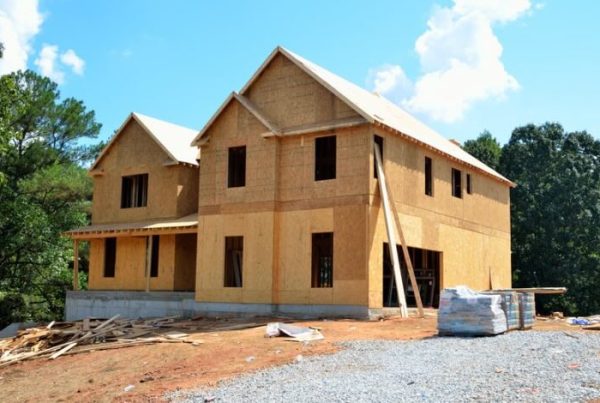
Ground-up construction loans are used to fund real estate projects that are built entirely from scratch, unlike renovation or value-add loans (also called rehab loans). This type of loan covers everything from land acquisition to completion.
Ground-up loans are typically short-term, interest-only, and structured around a draw schedule, where funds are released in stages as construction milestones are met. Most often, the loan is paid off upon the sale of the property.
Why Now? Market Trends Driving Ground-Up Projects
Despite economic challenges and high interest rates, the ground-up residential financing market, particularly the multifamily and townhome developments, is seeing renewed momentum.
Why? With the rise of mortgage rates and property values, new home buyers are currently struggling to buy, keeping them in the rental pool. This, in turn, drives the demand for multifamily housing. In July 2025, U.S. housing starts surged by 12.9% year-over-year, led by a 27.4% spike in multifamily construction, as many renters delay homeownership amid affordability pressures.
At the same time, according to The Crittenden Report, landlords and developers are poised to benefit from shrinking new-supply pipelines, as completions fell 28% from last year’s peak—strengthening fundamentals and boosting rent growth projections.
Deal Profiles: What’s Getting Financed Today
In today’s lending market, more multifamily and townhome projects are getting financed, alongside other types of ground-up developments. Before diving into deal examples, it’s helpful to understand what a proforma is. Simply put, a proforma is a financial “preview” of a project. It lays out the expected costs and revenues in a clear, spreadsheet-style format. This includes line items like land purchase, construction expenses, loan terms, and the projected value of the property once it’s finished—whether it’s sold or rented.
Below is a quick comparison of what a multifamily deal and a townhome deal might look like.
| Feature | Multifamily Construction Loan | Townhome Construction Financing |
| Typical Project Size | 50–100 units (apartment community) | 8–20 units (infill neighborhoods) |
| Loan Amount Range | $10M–$30M | $2M – $6M |
| Loan Structure | Larger, longer-term; often refinanced or held as rentals | Short-term; designed for a quicker sales cycle |
| Costs Covered in Proforma | Land, hard costs (materials + labor), soft costs (permits, design, legal), financing | Same categories but on a smaller scale |
| Lender Coverage | 65–75% of total project costs | Similar percentages, but applied to smaller budgets |
| Exit Strategy | Lease-up and long-term hold for rental income | Sell units individually to homeowners |
| Developer Fit | Sponsors with experience in larger-scale projects | Developers seeking nimble, build-and-sell opportunities |
In short, multifamily loans are larger and geared toward rental income after lease-up, while townhome financing is more nimble, designed for developers who want to build and sell quickly. Both approaches are being funded by ground-up lenders today, depending on the sponsor’s experience and exit strategy.
How Lenders Underwrite Ground-Up Loans
Ground-up construction loans lenders focus on a few key factors to make sure a project is worthwhile. Here at CoFi, we evaluate from beginning to end. We also look into the builder’s history and the strength of the current market.
A typical CoFi loan program covers 80-85% of total project costs, with draws released as milestones are met, and flexible structures designed for both multifamily lease-up strategies and quicker townhome sales.
By combining these underwriting standards with streamlined funding, CoFi helps developers move from blueprint to completion with confidence.
Who Are the Active Ground-Up Lenders?
Private lenders have become a huge advantage for ground-up construction. Private lenders like Genesis Capital are known for flexible one-time close options. Others, such as Builders Capital, have built a reputation for builder-first programs in townhome and infill projects. CoFi delivers developer-designed construction financing that combines real-world expertise with proprietary tech-driven processes.
Why CoFi Leads in Ground-Up Financing
- Faster approvals with a streamlined, tech-driven process
- Faster access to funds with proprietary draw and budget management tech
- Flexible programs for multifamily lease-ups and townhome sales
- Transparent terms with 65–75% loan-to-cost coverage
- Developer-first focus → built to save time, cut red tape, and keep projects moving
With CoFi, you’re not just getting financing—you’re getting a partner that understands how to take ground-up projects from blueprint to reality.
Building Smarter with CoFi
Whether you’re planning a large multifamily community or a nimble townhome project, CoFi helps you move from blueprint to completion with confidence. The right financing partner doesn’t just fund your project—it fuels your success.
Ready to get started? Talk to CoFi today and see how we can help bring your next ground-up project to life.